How to Choose the Right Real Estate Agent for Your Home Purchase
Buying a home is one of life’s biggest investments, and choosing the right real estate agent is crucial for a successful transaction. A competent agent acts as a strategic partner, guiding you from identifying your needs to closing the deal. This article provides an in-depth guide to finding the perfect agent.
Understanding Agent Roles and Finding Your Match
Before your search, understand the different roles in real estate. A buyer’s agent exclusively represents your interests, while a seller’s agent works for the seller. “Dual agency,” where an agent represents both buyer and seller, can create conflicts of interest. It’s generally recommended to hire an agent who solely focuses on your needs as a buyer. Organizations like the Real Estate Council of Ontario (RECO) emphasize working with registered professionals.
Agents may also have different levels of training. Some hold designations indicating specialized expertise, such as in residential properties or buyer representation. Many agents are members of professional real estate associations, adhering to their code of ethics, which provides an extra layer of assurance.
You might also encounter the terms ‘real estate agent’ and ‘real estate broker.’ While all brokers are agents, not all agents are brokers. A broker has undergone further education and holds a more advanced license, often running their own real estate firm or, as NerdWallet states, managing other agents.
The Risks of Dual Agency
Dual agency presents inherent risks. It’s difficult for an agent to equally advocate for both parties’ best interests, potentially leading to compromises. If you encounter this, ensure you understand the implications and consider seeking independent legal advice.
Agent Research Strategies
Leveraging Your Network and Online Resources
Finding the right agent starts with research. Begin with referrals from friends, family, and colleagues. Personal experiences offer valuable insights into an agent’s professionalism. Ask detailed questions: How responsive was the agent? Did they feel pressured? Would they recommend the agent again?
Beyond personal recommendations, use online reviews and ratings on platforms like Google Reviews, Yelp, and specialized real estate websites. Look for patterns – consistent praise or recurring complaints. A strong online presence also indicates the agent understands modern marketing.
Carefully examine their online presence. A professional website and social media activity can be good indicators. Examine their experience in the area and price range you’re interested in. Look for evidence of local expertise, such as listings on property portals like Rightmove, and a strong local presence.
Many regulatory bodies offer public registers. You can verify an agent’s registration and check for disciplinary actions through the relevant regulatory body’s website, usually by searching their name or license number. Membership in professional organizations, like the National Association of Realtors (NAR), often indicates a commitment to ethical standards. You can usually check this on the organization’s website.
Evaluating Potential Agents
Interview at least three agents. This allows you to compare their experience, methods, communication style, and personality. Prepare questions focusing on their experience, strategies, negotiation methods, and local market knowledge.
Communication and Negotiation
Pay close attention to communication skills. A good agent is responsive, clear, and understands your needs. They should explain complex processes understandably and keep you informed. Ask how they plan to communicate and ensure it matches your preferences.
Inquire about negotiation strategies. A skilled negotiator can make a significant difference, especially in competitive markets. They should articulate how they’ll represent your interests. For instance, a skilled negotiator might identify comparable sales to support a lower offer or negotiate for the inclusion of appliances. As pointed out by Redfin, a creative approach to negotiations is extremely valuable.
Understanding Fees
Discuss the agent’s fee structure and services. While structures vary, buyer’s agents are typically compensated through a percentage of the home’s sale price (usually 2.5% to 3%), usually paid by the seller. However, as Today’s Homeowner notes, after a recent settlement, it’s possible both buyers and sellers might be responsible for their own agent fees. It’s also becoming more common to see agents offering flat fees or hourly rates. Openly discuss compensation and included services. This transparency ensures a clear understanding.
Checking References
Ask for references from previous clients. Contact them for a deeper insight into the agent’s working style. Ask: How responsive was the agent? Did you feel pressured? Were there unexpected issues, and how were they handled? Would you use them again?
Ultimately, trust your gut. Chemistry and personal connection are important. Choose an agent you trust, who understands your needs, and with whom you can build a good relationship. A good agent should be enthusiastic but also ensure the property and price are right for you.
Key Questions to Ask Potential Agents
To assess local expertise, consider these questions:
• Can you tell me about recent sales of similar properties in this neighborhood?
• What are the zoning regulations that might affect this property?
• What are the local schools like, and how are they rated?
• What are the transportation options in this area?
• Are there any upcoming developments planned that might impact property values?
• How many clients are you currently representing?
Local Expertise and Network
An agent with in-depth knowledge of the area is an invaluable asset. They should provide insightful information about selling prices, upcoming listings, schools, transportation, and other factors. A local agent can also identify hidden opportunities.
A strong network is another important factor. A good agent should recommend reliable mortgage lenders, home inspectors, lawyers, and other professionals. This network can streamline the process. As highlighted by sources like HomeLight, resourcefulness is key. A well-connected agent can provide solutions you might not find otherwise.
Test their knowledge by asking specific questions about the area, recent sales, and potential challenges. An honest agent will be open about both advantages and disadvantages.
Red Flags to Watch Out For
While most agents are ethical and professional, be aware of potential red flags:
• Lack of responsiveness: Difficulty contacting the agent or slow responses can be a major issue.
• Pressure tactics: Feeling pressured to make a quick decision or exceeding your budget is a warning sign.
• Lack of transparency: Unwillingness to discuss fees or answer questions openly is concerning.
• Limited experience or local knowledge: An agent unfamiliar with the area or property type may not be the best fit.
• Negative reviews or disciplinary actions: Consistently negative online reviews or a history of complaints should raise concerns.
Reviewing the Buyer’s Agency Agreement
Once you’ve chosen an agent, you’ll typically sign a buyer’s agency agreement. This contract formalizes the relationship and outlines the agent’s responsibilities. Read it very carefully.
Pay close attention to:
• Exclusivity: Does the agreement require you to work exclusively with this agent?
• Duration: How long does the agreement last? Aim for a reasonable timeframe (six months or less is often recommended, as suggested by Bankrate).
• Termination Clause: How can you terminate the agreement if needed? Be cautious of agreements that lack a clear termination clause.
• Compensation: How and when is the agent compensated?
• Services: What specific services will the agent provide?
Don’t hesitate to ask questions or seek legal advice if anything is unclear. This agreement protects both you and the agent.
Conclusion: Building a Successful Partnership
Choosing the right real estate agent is about finding a trusted partner who understands your needs and can guide you through a major life decision. Focus on expertise, experience, communication, local knowledge, and personal chemistry. In the current market (2025), where conditions can vary greatly depending on location, having an agent with strong negotiation skills and access to a wide range of listings is particularly crucial. A successful real estate transaction is a partnership – a relationship built on trust, open communication, and a shared goal. By taking the time to do your research and choose wisely, you’re investing in a smoother, more successful home-buying experience.
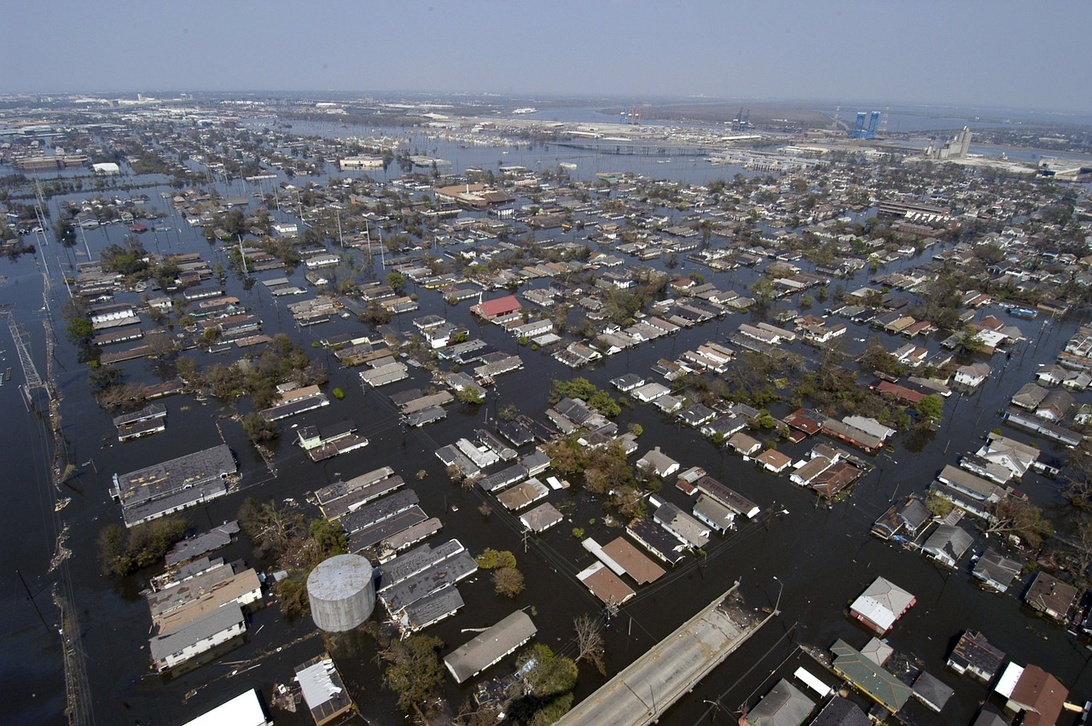
The Impact of Climate Change on Real Estate Markets
Climate change is reshaping the global real estate market. Rising sea levels, intense storms, droughts, and wildfires are impacting property values, investment strategies, and the long-term stability of the sector. This article explores the key aspects of this transformation, focusing on risks, consequences, and the proactive steps being taken by property owners, investors, and communities worldwide.
Physical Risks
Real estate assets are inherently vulnerable to the physical effects of climate change. Globally, flooding (both coastal and inland) represents a significant threat. Rising sea levels and intense storms are increasing flood risks in coastal areas, while heavier rainfall and altered weather patterns impact inland properties. Research shows an overvaluation of properties in flood-prone zones, indicating that markets aren’t fully accounting for these risks. A Nature Climate Change study highlights billions in overvaluation due to current flood risks.
Beyond Flooding
The challenges extend far beyond flooding. Wildfires, fueled by drought and heat, are a growing threat in regions like Australia, Southern Europe, and North America, causing property damage and affecting long-term values. Extreme heat, declining air quality (from pollution and wildfires), and strong winds also impact property values and desirability. These risks vary significantly; some regions are disproportionately affected. For example, the World Wildlife Fund reports significant biodiversity loss, impacting ecosystems and, indirectly, property values.
Commercial Real Estate Under Pressure
Climate change significantly impacts commercial real estate, presenting unique challenges and requiring specific adaptation strategies. Office buildings, retail spaces, and industrial facilities face similar physical risks as residential properties, including flooding, extreme heat, and storms. However, the economic consequences can be amplified due to business interruption, supply chain disruptions, and potential tenant relocation. For example, data centers, crucial for the digital economy, are significant energy consumers, presenting a challenge in balancing operational needs with decarbonization efforts.
Adapting Commercial Spaces
The commercial sector is responding with both mitigation and adaptation measures. Mitigation, focused on reducing the carbon footprint, is gaining traction, especially in new construction. However, many existing buildings lag, requiring retrofitting. Adaptation is also crucial. This includes measures like flood defenses, improved HVAC systems for extreme heat, and backup power generation. The SEI’s research highlights the need to address both physical and transitional risks for comprehensive risk management.
Economic Impacts
Physical risks translate into direct economic consequences. Property damage, increased operating costs, and rising insurance premiums are major factors. In areas hit by natural disasters, insurance companies are raising premiums or withdrawing coverage, creating crises and market uncertainty. Some regions have seen dramatic increases in flood insurance premiums, impacting affordability. This trend is global, affecting many countries facing similar problems.
The Risk of Overvaluation
A significant concern is the potential overvaluation of properties in at-risk areas. Studies show that markets haven’t fully priced in climate risks, leading to overvaluation. This lack of comprehensive climate risk information, combined with underestimation of long-term impacts, creates a potential real estate bubble. A burst could severely impact property owners and financial stability, as highlighted in a Nature Climate Change study. Accurate risk assessment and transparency are urgently needed.
Market Adaptation
Despite challenges, markets are adapting. Home values are rising faster in lower-risk areas, showing increased buyer awareness. Many buyers now prioritize climate risks, a trend confirmed by studies, including one from Zillow. This demand for climate-resilient homes is driving innovation in construction, with new techniques and materials offering better protection. Examples include elevated foundations, impact-resistant windows, and fire-resistant materials.
Policy’s Role
Addressing climate risks requires proactive policy and regulations, not just market adaptation.
Building Codes
Stricter building codes, like those in Canada (Climate-X), are crucial to ensure new buildings are more resilient. Many countries are updating their codes to address climate change, incorporating features like improved insulation, water management systems, and stronger structural designs. These changes, while potentially increasing upfront costs, enhance long-term value and insurability.
Disclosure Requirements
Globally, increased requirements for climate risk disclosure are pushing for greater transparency. This influences investment decisions and promotes more realistic property valuations. The Task Force on Climate-related Financial Disclosures (TCFD) provides a framework for companies, including those in real estate, to report on climate-related risks and opportunities. The Columbia SIPA study highlights the need for better data.
Financial Tools
Real estate law can promote sustainability. “Green leases,” with clauses on energy efficiency and renewable energy, reduce properties’ environmental impact (Law and Climate Atlas). “Green mortgages” offer favorable terms for energy-efficient homes, boosting demand. These tools provide financial incentives for sustainability.
Nature-Based Solutions Worldwide
Nature-Based Solutions (NBS) are vital for managing risks and enhancing biodiversity. NBS, like sustainable urban drainage systems (SUDs), green roofs, and urban green spaces, address climate challenges while benefiting people and the environment (Cushman & Wakefield). Integrating these solutions helps the real estate sector reduce its footprint and build resilience. Examples include constructed wetlands for flood control and wildlife habitats.
Real Estate’s Future: Resilience
Climate change presents the global real estate market with challenges and opportunities. Integrating climate risks into valuations, investments, and development is key. Investing in resilient buildings, promoting sustainable solutions, and fostering collaboration are essential. This includes leveraging technology for micro-analysis of locations and building types to accurately assess risks, reflecting the data science revolution (The Front Page).
Facing Complexity
The transition is complex and requires a holistic approach, not only building climate-resilient homes but also managing the social and economic consequences. It’s crucial to ensure adaptation doesn’t worsen inequalities, as lower-income households are often disproportionately affected. An equitable transition, ensuring all communities have access to safe housing, is key.
A New Paradigm
Climate change is creating a new era for real estate, demanding rethinking, innovation, and collaboration. The sector must act to reduce vulnerability and contribute to a sustainable future. The future market will be defined by climate risk awareness, a drive for sustainable solutions, and understanding the interconnectedness of properties, environment, and well-being. The real estate industry must become a net contributor to decarbonization, as The Front Page emphasizes.

The Impact of Smart Home Technology on Property Values
In a world where technology continually reshapes our lives, smart home solutions have become a focal point in discussions about property valuation. Once a futuristic vision, smart homes are now a reality, influencing how we buy, sell, and appraise properties. This article explores the multifaceted impact of smart home technology on property values, supported by current research and market trends.
Defining a Smart Home
To understand the impact of smart home technology, it’s crucial to define what constitutes a ‘smart home.’ According to a definition developed in collaboration between CNET and Coldwell Banker, a smart home is characterized by network-connected products that allow for remote control, automation, and optimization of functions such as temperature, lighting, security, and entertainment. This occurs either through devices like phones and tablets or through an integrated system within the home. Generally, at least three smart products are required, one of which should be related to security or temperature control, for a residence to qualify as a smart home. This definition sets the standard for what is expected of a modern, technologically equipped home.
Core Components of Smart Homes
The central components of a smart home often include smart security systems (cameras, locks, alarms), temperature control (thermostats), lighting, and sometimes even appliances and entertainment systems. These systems are not just standalone devices but often communicate with each other to create an integrated and automated home environment. This integration enables a level of convenience and efficiency that was previously unimaginable, which is one of the main reasons why smart homes are becoming increasingly sought after.
Demand and Buyer Preferences
Market data and consumer surveys confirm a growing demand for smart homes. According to Tech Jury, 81% of consumers are more likely to buy a home equipped with smart technology. However, this interest varies between generations; 43% of Gen Z buyers consider smart home features very important, compared to only 15% of Baby Boomers. This generational difference reflects a broader trend where younger buyers, who have grown up with technology, see smart homes as a given rather than a luxury.
Millennials and the Smart Home Trend
Millennials, who now make up a significant portion of homebuyers, are largely driving the demand for smart homes. Their tech-savviness and desire for convenience and efficiency make them more likely to see value in smart home solutions. A study by Pro Builder indicates that nearly 90% of millennials are willing to pay a premium for the benefits offered by smart homes. This willingness to invest in smart technology extends to older generations as well, indicating a broad acceptance and appreciation of the benefits that smart homes offer.
Economic Aspects of Smart Homes
From an economic perspective, smart home technology can have a significant impact on property value. Appraisers make ‘adjustments’ when comparing tech-equipped homes to similar homes that lack this technology. Smart homes tend to achieve higher prices and may be easier to sell due to modern conveniences and increased demand. However, it’s important to note that the type and extent of automation should be tailored to the market value of the home and the area to avoid over-investment.
Energy Efficiency and Cost Savings
A key economic advantage of smart homes is the potential for energy efficiency and cost savings. Smart thermostats, lighting systems, and appliances can optimize energy use, leading to lower energy bills. According to the U.S. Department of Energy, smart thermostats can save homeowners up to 10-12% on heating costs and 15% on cooling costs. This aspect of smart homes is particularly attractive at a time when energy prices are rising and environmental awareness is increasing. Smart lighting solutions, for example, offer convenience through voice or app control and contribute to energy efficiency by allowing remote scheduling and dimming.
Smart Appliances
Upgrading to energy-efficient smart appliances, such as refrigerators, washing machines, and dishwashers, reduces energy consumption and aligns with eco-conscious lifestyle trends. Integrated smart home automation systems tie various smart devices together, offering centralized control and seamless connectivity, which appeals to tech-savvy buyers.
Security and Safety as Value Creators
In addition to convenience and cost savings, security and safety play a crucial role in the valuation of smart homes. Smart security systems, which include surveillance cameras, motion sensors, smart locks, and alarm systems, offer round-the-clock monitoring and immediate alerts for suspicious activity. According to an article by SafeHome.org, the likelihood of burglary decreases by 300 percent in homes equipped with smart security systems. This increased security is a highly sought-after feature that can justify a higher price in the real estate market.
Integration and Ease of Use
To maximize the value of smart security systems, it’s important that they are integrated and user-friendly. Buyers appreciate systems that are easy to install, use, and maintain. The ability to remotely control and monitor the home via a smartphone or other device is a key feature that contributes to both convenience and peace of mind.
Advanced Security Features
Features like motion detection, two-way communication, and night vision in smart security cameras provide immediate alerts and the ability to communicate with visitors remotely, even in low light. Sound and light alarms add an extra layer of security, deterring potential threats and notifying homeowners of unusual activity. Cloud storage of recorded material provides access to and review of events at any time.
Challenges and Future Trends
Despite the many advantages, there are challenges to integrating smart home technology. One of these is that traditional valuation methods may not fully account for the added value that smart features provide, which can lead to valuation discrepancies. However, the real estate industry is actively working to develop new valuation methods that better reflect the actual impact of smart technology on property values.
The Future of Smart Homes
The future of smart homes looks bright, with expected continued growth and innovation. We can expect to see even more sophisticated systems that integrate artificial intelligence (AI) to anticipate and adapt to the needs of residents. This development will likely further strengthen the position of smart home technology as an important factor in property valuation and buyer preferences. Openness and adaptability will be key factors, with buyers valuing the ability to customize their smart homes to their own preferences.
Potential Downsides
It’s also important to acknowledge potential downsides. These can include privacy concerns related to data collection by smart devices, the cost of installation and maintenance, potential system malfunctions or security breaches, and compatibility issues between different brands and systems. Some buyers may also be hesitant due to concerns about the complexity of using smart home technology or a preference for more traditional homes.
Strategic Implications for Property Owners and Investors
For property owners and investors, the growing trend of smart homes presents both opportunities and challenges. Investing in smart technology can be a strategic move to increase property value and attractiveness, but it’s important to do so thoughtfully. This involves choosing the right type of technology that matches the target audience’s preferences and ensuring that the systems are integrated, user-friendly, and future-proof.
Actionable Steps
Here are some actionable steps for property owners and investors:
Conduct a Cost-Benefit Analysis
Conduct a cost-benefit analysis before investing in smart home technology. Consider the initial cost, potential energy savings, and the likely increase in property value. Prioritize features that offer the best return on investment for your specific market and property type.
Prioritize Key Features
Focus on features that are most in-demand, such as smart security systems, smart thermostats, and smart lighting. These often provide the greatest perceived value for potential buyers or renters.
Ensure Seamless Integration
Choose smart home systems that are compatible with each other and easy to use. A fragmented system with multiple apps and controls can be a deterrent for some buyers.
Highlight Smart Features in Marketing Materials
When selling or renting a property, clearly showcase the smart home features in your marketing materials. Emphasize the benefits of convenience, energy savings, and enhanced security.
The Smart Future of the Real Estate Market
In conclusion, it is clear that smart home technology has a significant and growing impact on property values. By offering increased convenience, efficiency, security, and adaptability, smart homes meet the expectations of modern buyers and contribute to a more attractive and valuable property. For property owners, investors, and real estate agents, understanding and embracing this technological development is crucial to remain competitive in a constantly changing market. Smart homes are no longer a vision of the future – they are the present and are shaping the future of the real estate market. The key takeaways are the importance of strategic investment, focusing on in-demand features, ensuring seamless integration, and effectively marketing the benefits of smart home technology to potential buyers or renters. Addressing potential concerns about privacy and complexity is also vital for broad market acceptance.